In a sunlit café, a young reader sips matcha while leafing through Sylvia Plath’s The Bell Jar, a tote bag slung casually over one shoulder.
Years ago, this scene of quiet literary immersion would have passed without comment; a moment of stillness between the pages in a world full of nonstop hustle and bustle.
Today, however, this same moment is no longer just a private ritual — rather, a subject to scrutiny. And in the eyes of many online, the image of a person reading in public now often invites a familiar label: performative reading.
Moments that once blended quietly into the background, such as a book resting on a café table, a novel held during the morning commute, are now lifted out of their ordinariness and posted online with captions hinting at performance and posturing.
A simple table spread is reframed as an “aesthetic” setup. A paperback spotted on the MRT becomes a running joke stitched into TikTok commentaries.
The term consolidates these scenes into a single narrative: that the act of reading, once visible, is no longer genuine but a performance meant for an audience.
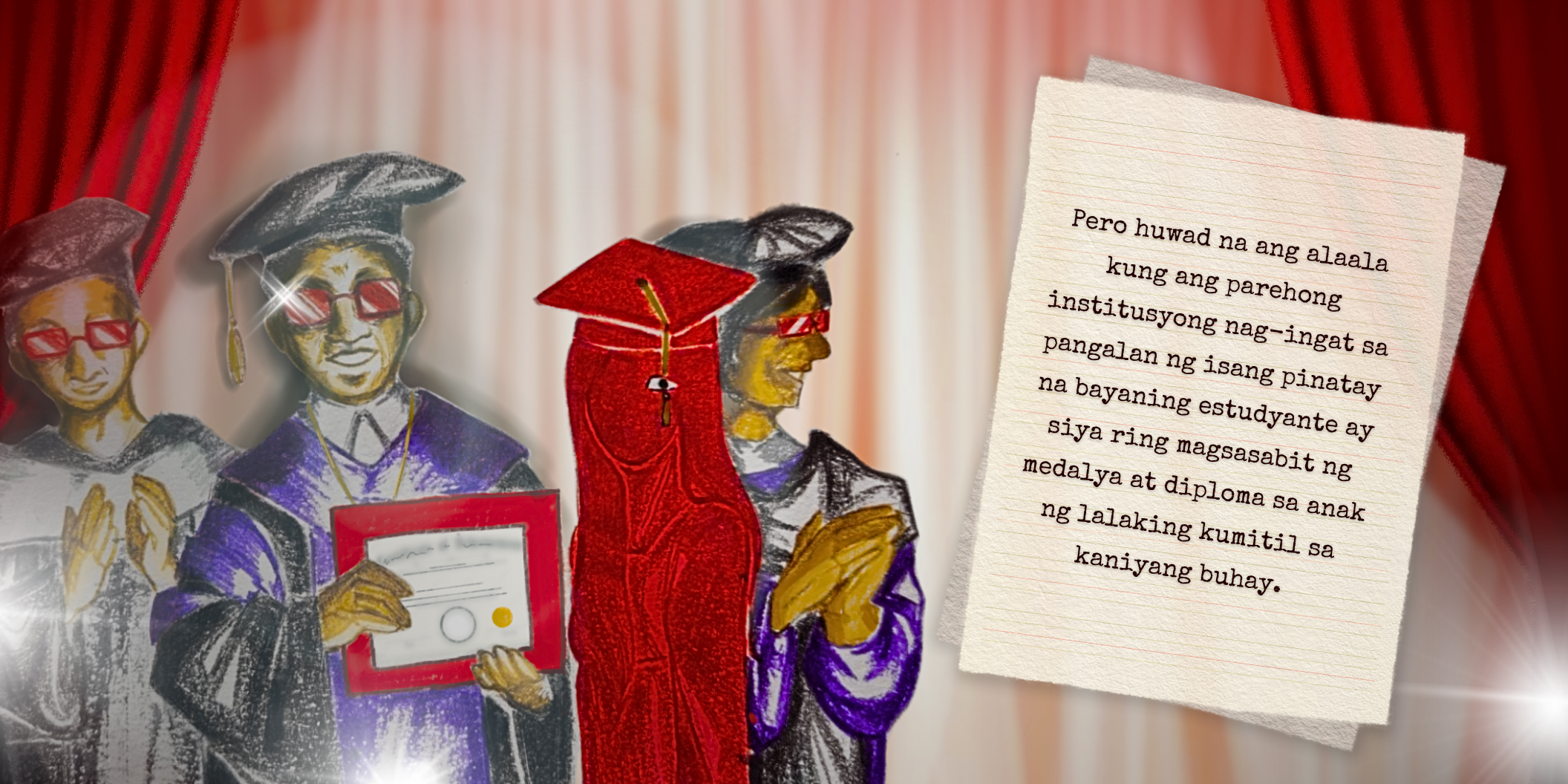
And from there, it ballooned. “Most performative man” contests now rank strangers holding books as if they were showcasing the latest fashion accessory.
TikTok creator Raol Muong, who produces video essays on internet culture, described the shift, saying, “Books are the new accessory. They only matter if they look good with you.”
The message is clear: interest in the book comes second to the desire to be seen reading.
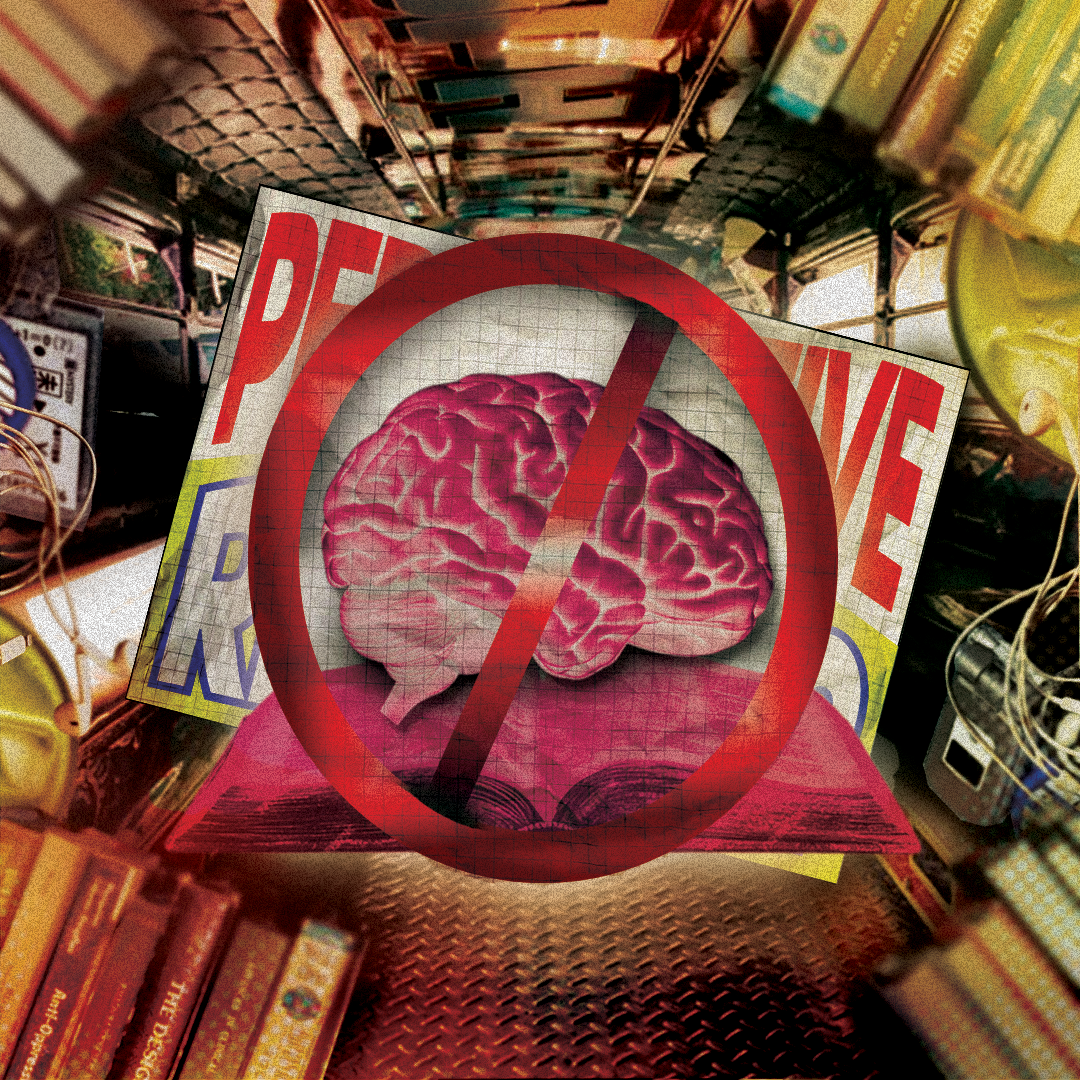
But beneath the humor lies a new wave of anti-intellectualism, a growing discomfort with visible intellectual engagement. This does not require the use of burning books. But instead, the dismissal of the people who pick them up.
The hostility no longer targets the texts themselves but the readers who dare to engage with them in public. In this framing, the mere sight of a person holding a book becomes grounds for skepticism, mockery, or accusation.
As one longtime reader-Sebastian Castillo stated in an interview with NBC News, after opening a book on the bus, he now finds himself thinking whether he should tap the stranger next to him and clarify that yes, he’s really reading. This is not paranoia, but the echo of social pressure: to justify one’s presence as a “real reader,” even in private spaces like public transit.
For young readers, students, or casual book lovers, that pressure can discourage visible reading altogether.
Capital-L Literature
In online discussions about “performative reading,” certain books repeatedly appear: classics and highly regarded fiction, often labeled “capital‑L literature.” Titles like Pride and Prejudice, The Great Gatsby, The Odyssey, Wuthering Heights, Lord of the Flies, Lolita, and 1984 are frequently cited as markers of literary seriousness.
On social media, these works are sometimes framed less as objects of engagement than as props signaling cultural capital, with readers assumed to be performing rather than genuinely reading.
Even devoted readers sometimes feel pressure to display their books publicly. In Muong’s TikTok post, “Are Books the New Accessory?” with 11.8K likes, one commenter, Sof(ía), wrote, “I was called ‘performative reading queen’ and I was flattered lol. I love reading, I study philosophy so I’m literally always reading. But yeah… sue me, I sometimes perform.”
Social pressures can shape what and how people read, but the act of engaging with literature — capital-L or otherwise — should not be judged as shallow or performative.
In experiments by social psychologists David Comer Kidd and Emanuele Castano, readers who read literary fiction scored significantly higher on tests measuring the ability to understand others’ thoughts and emotions compared with readers of non‑fiction or genre fiction.
Capital‑L literature is valuable precisely because it challenges, inspires, and endures. Its worth lies in its ability to provoke thought, spark empathy, and expand understanding, not in how “Instagrammable” it looks on a café table.
As “The Pleasures of Re-Reading: Why Classic Literature Is Worth Returning To” notes, “One of the most compelling reasons to re-read classic literature is the opportunity it provides to uncover new layers of meaning.
Great works of literature are like well-crafted puzzles, with intricate characters, themes, and symbolism waiting to be deciphered. When we return to these books, we often bring with us new life experiences, perspectives, and insights that allow us to see these elements in a fresh light.”
Take George Orwell’s 1984: a first reading may grip with its dystopian story of surveillance and oppression, but rereading reveals layers of political philosophy, language as power, and subtle critiques of conformity and fear. Each reading can uncover insights missed the first time, showing that classics are far more than props for social display. They are tools for reflection, critical thought, and enduring engagement.
The Hidden Danger: Anti‑Intellectualism Disguised as Snark
When reading is dismissed as “pretentious,” “elitist,” or “poser-ish,” a subtle form of censorship takes hold. Labeling someone’s reading as “performative” has become shorthand for “not real,” “not serious,” or “not worthy.”
Mockery of readers, whether for carrying a book on the subway or posting about it online, discourages curiosity and public engagement with knowledge. Intellectual effort is framed as only valid in private, if at all.
In 17th-century England, authorities restricted literacy and access to certain texts to maintain social hierarchies. In the United States during the McCarthy era, books and authors accused of “subversion” were censored, and intellectuals were publicly scrutinized for questioning mainstream ideology. Even today, authoritarian regimes continue to control literature and educational content to suppress dissent and critical thinking.
Knowledge has always been tied to power. Gatekeeping — deciding who can read, what counts as “worthy,” and who can speak authoritatively — has long preserved social hierarchies. Online ridicule of public reading acts in the same way: it normalizes distraction, performance, and superficiality over reflection, learning, and critical engagement.
In a Time of Crisis, Reading Is Resistance
Reading in public is not always easy. As Selwakhant, a frequent subway reader, puts it: “If your book is good, your book is good, and you’re going to pull it out no matter what.” And yet, we live in a culture that shames the act itself. People are quick to mock, dismiss, or label a reader as performative, as if picking up a book in public is inherently about showing off.
Some readers may have started their journey with styled photos or selfie‑books. Some may never read beyond the cover. And yes, performative reading exists — but it does not negate the value of reading itself.
The more we shame the act of wanting to read, the fewer people will dare to explore ideas, discover new perspectives, or even begin a conversation with themselves. And in a world that desperately needs critical thinking, empathy, and active citizenship, that is a loss we cannot afford.
Books are not ornaments. They are doorways to history, identity, love, and the human experience. Whether someone picks up Joan Didion, Lualhati Bautista, or any other author, the act of opening a book is more important than the motivation behind it.
Even if someone starts reading to look cool, that small act may ignite curiosity, provoke thought, or inspire a deeper love of knowledge.
The challenge is this: instead of mocking the performative, let’s lead by example. Let’s read deeply, question boldly, and share freely. Let’s create a culture that encourages readers rather than ridicules them. Every book opened, every page turned, is a stand against anti-intellectualism — a refusal to let cynicism and superficiality dictate what is valued in society.
We must remember: reading is resistance.
It is a quiet defiance against a world that too often prizes spectacle over substance, appearances over ideas. By supporting readers — whether novice, casual, or seemingly performative — we are protecting curiosity, cultivating understanding, and fostering a society capable of empathy, imagination, and critical thought.