“Atin cu pung singsing. Metung yang timpukan.” As the rhythm takes them back to when they first heard the classic song, most Kapampangans have a story already painted in their mind, a lost inherited ring with an owner determined to do anything just to get it back.
However, singing the tale a few times more and reading between the lines reveals a secret — perhaps, it may not just be about a ring.
What was inherited in the song mirrors what is inherited in real life. The ring, a metaphor for something deeper: a culture entrusted for generations to come, precious enough to keep, take care of, and mourn when misplaced; yet, fragile enough to slip away without anyone noticing.
And culture, after all, does not endure on its own. It is carried — held, shaped, and breathed into life — by the very people who create its stories, its symbols, and its memories. Whether they are singers, poets, painters, or dancers, artists create a space where culture is preserved, celebrated, and reimagined.
Yet behind the scenes, the reality is far less romantic.
Vintage paintings, soulful poems, flawless street dances, and cathartic songs — it is fun to marvel at the final product, but pulling the curtains enough reveals a secret behind the stage: artists stretched thin, overlooked, and underpaid, all expected to produce brilliance in a country that rarely rewards them for it.
In the Philippines, where the culture and arts are vibrant, where festivals, traditions, and stories are rich, you’d think that the same nation that proudly consumes what its artists create would safeguard the hands that make such possible. But the irony is stark and almost poetic.
Here, artists often find themselves on shaky grounds, clutching on their passion to remain steady.
Yes, the ring is still here, but the hands that are holding it are tired, underfunded, and fighting to keep their grip in a world around them that grows heavier and a country that does not pay them back for what they deserve.
Ghost Projects, Ghost Support
Corruption has always been one of the country’s loudest issues, and the arts are among the quietest casualties of it.
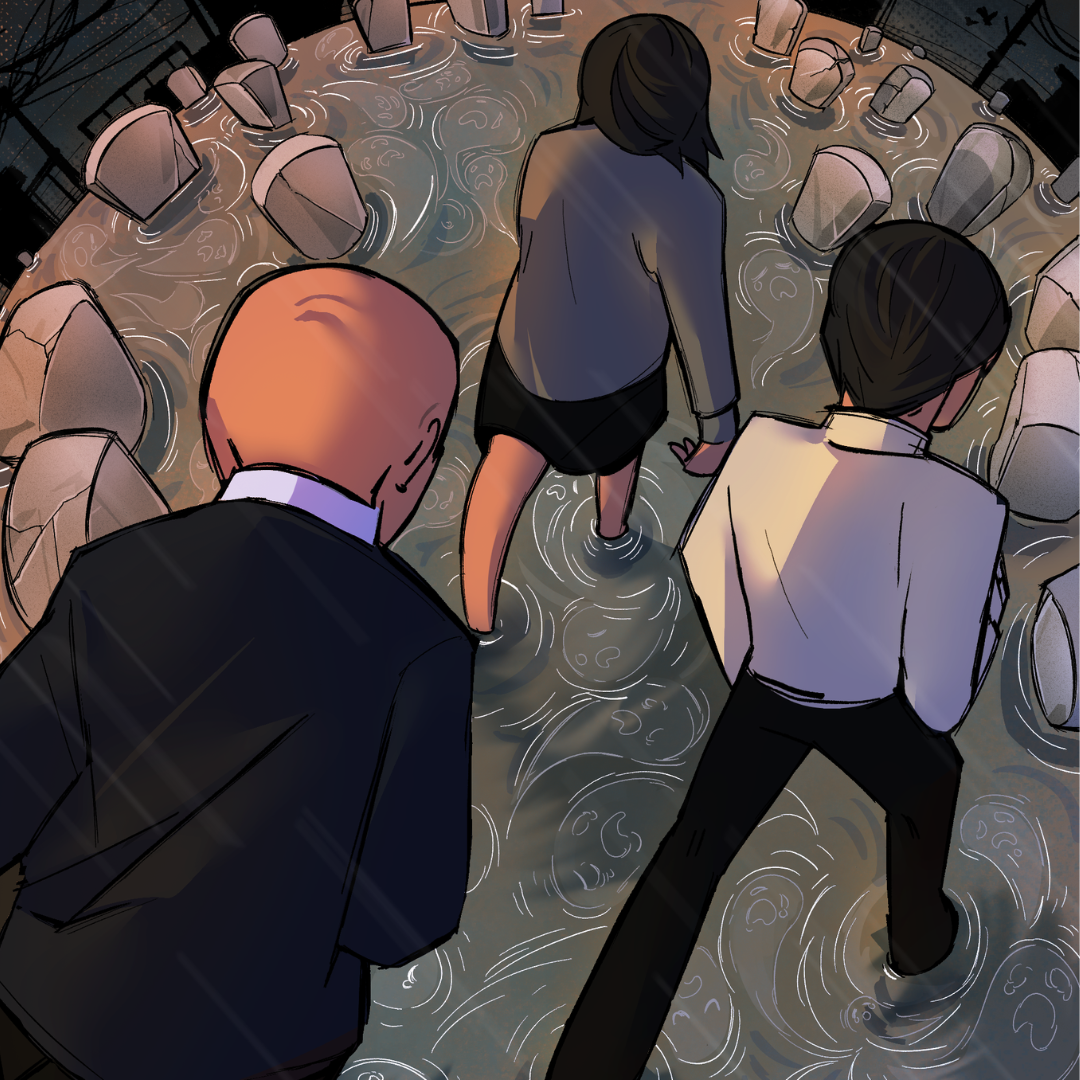
Recent reports of the flood control corruption cases, which siphoned around 118.5 billion pesos, exposed how corruption runs deep in the country. This amount of money, which could have gone to many causes such as culture and the arts, is instead stashed in the pockets of those who hold power.
This same amount of money could’ve gone to cultural institutions such as the National Commission for the Culture and the Arts (NCAA), LGU-run cultural programs, and community-led workshops, supporting long-term causes that all currently operate on limited budgets.
Notably, in 2023, the NCCA saw an 83.90% decrease in the National Expenditure Program (NEP), as it was reduced to only P25 million, compared to its 2022 budget of P156 million.
Although legislative efforts were made to eventually restore the budget, the budget slash reveals how the current administration places low prioritization on the need for the preservation of the country’s culture and arts.
In response to these issues, artists gathered together at the Konsyerto ng Bayan Laban sa Katiwalian protest concert held on November 16 at Sto. Entierro cor Miranda Street in Angeles City.
Corruption steals from everyone, including artists. Every peso lost to corruption is a peso stolen from education, livelihood, health, culture, and social services. That is what Pia Montalban, cultural and human rights worker and organizer of the protest concert, stands for.
For artists like them, whose work is rooted in what she calls “lived realities,” a community’s welfare is just as important as theirs since they directly suffer from it.
“Every day, we hear stories of corruption in flood-control projects, overpriced infrastructure, and abuse of power, yet the people directly affected are silenced or ignored,” said Pia.
With the fear created among rallies due to potential violence, red-tagging and surveillance, many have turned their head away from attending. So, for Pia, intertwining the protest with a concert performance made it easier to gather crowds and generate support.
“Maraming tao ang nagdadalawang-isip sumama sa rally dahil sa stigma, fear, or fatigue. Pero sa isang protest concert, they feel safer, welcome, at mas natural ang paglapit. Art becomes a bridge. Music disarms fear. Performance creates curiosity,” said Pia.
She added that through a concert rally, they were able to gather people who might not attend a traditional mobilization, but are willing to listen, to learn, and to act.
For OJ Ferreras, a member of the band Lazy Juan, performing at a protest concert was an honor, as it gave them a platform where they could express their love for the country and speak about the realities they face.
“As young artists, we rarely get opportunities to use our music in a way that contributes to something bigger than ourselves. Joining the event felt like a way to finally release the frustrations we carry as citizens and artists who believe that our country deserves better,” said OJ.
As a Kapampangan, the experience left OJ proud as he was able to stand with people who are passionate not only about their craft but also about fighting for what is right.
“When I looked at the crowd, I saw fire and courage. It reminded me that art has power. Music can shake people awake. It can comfort, unite, and challenge. Being part of that moment made me realize that what we do as artists has purpose,” he added.
Truly, corruption is not an abstract political issue; when it ripples, it also becomes a cultural one. When billions are lost to ghost projects, the fallout reaches even Kapampangan creatives.
These artists’ shared passion only reveals how they are not merely passive observers of society — they are among the first to feel its fractures, and among the loudest to call them out.
As Pia said, “In a society where corruption is systemic, artists tell the truths that institutions fail to say.”
Numbers Without Nurture
As the floodwater rose and corruption issues engulfed the country, Filipinos turned to the most accessible platform they could use to vent out their feelings: social media.
And so, in turn, this movement resurfaced “Upuan,” a hit song by Aristotle Pollisco, popularly known as Gloc-9, on TikTok, Instagram Reels, and Facebook content, as netizens referenced the lyrics to the current situation of the country.
The song, which uses an “upuan” (chair) as a metaphor to represent those who are marginalized living under those who are seated in power, resonated with the masses as it echoed the lived condition of those pushed beneath those in power.
It’s a living proof of how Filipinos turn to art to express their feelings and frustrations, especially in moments where reality feels too heavy to articulate. Digital platforms amplify this circulation, allowing protest art to resurface and go viral within hours.
“In this generation, online visibility helps a lot. Social media can open doors and introduce our music to people who would have never heard it otherwise. It gives artists a chance to be seen,” said OJ.
Sharing the same sentiments, Dylan Marco Aguilar, member of the band Clairvoyance, said exposure means a lot to emerging artists like them.
“Exposure means the world to a band, whether it be through social media or word of mouth, regardless of the platform, seeing your art get spread would translate to artistic success.”
However, as much as social media can provide opportunity for artists and make their art more visible, long-term artistic stability remains structurally out of reach for most.
In their study “The Impact of Digital Presence on the Careers of Emerging Visual Artists,” Loizos Petrides and Madalena Vila de Brito found that online success is mostly favorable for “artists who have a network of frequent clients who buy their work regularly and who mostly execute commissioned work” and those who “do not need to dedicate time to post frequently to attract new followers.”
This means that for new emerging artists, who “depend on attracting clients through their Instagram presence,” they “need to be more active on the platform, posting new content frequently.”
Aside from having to build a creative brand, artists must also learn how to ride along the online algorithms and keep up with trends to build a name for themselves online, as well as nurture a community that will support them.
Social media can assist artists in giving them visibility and a platform, but since the online market is oversaturated with art, there remains a high competition to rise and be more visible than others.
The pressure to stay relevant online forces many artists to reconsider what kind of art they share and why they create in the first place. And since digital platforms reward those who perform for the algorithm regardless of artistic intent, the intention behind the art can easily be overshadowed by the need to perform for clicks.
That is why, for Reylyn Canlas, chairperson of Panday Sining Pampanga, as a cultural activist, being viral is not a matter of likes or views, but by the impact art can make on the masses.
“Sa perspektiba ng isang cultural activitst, hindi sapat ang pagiging ‘trend’ para sabihing tagumpay na ang sining. Ang visibility ay pansamantala, pero ang tunay na tagumpay ay kung paano nakakapagmulat, nakakapag-organisa, at nakakapagpalakas ng kolektibong kamalayan.”
Reylyn explains that there are a lot of viral content that lack direction, but an art that has a conviction and stand can impact change. For her, online visibility helps, but it is not a real measure of artistic success.
Social media, despite its advantages, cannot fully sustain an artist’s life in the long term. Artists can trend for a day, but the support they need for the rest of the year remains uncertain.
In the end, what matters is not how social media can highlight an artist’s craft, but how the system should change to sustain a platform that will cater to all artists — whether viral or not.
On Fragile Ground
Beyond corruption issues and digital competition, a true struggle remains as a constant prick on the throats of artists — a culture on the brink of death.
According to the University of the Philippines Department of Linguistics, of the 175 indigenous languages, 35 are considered endangered, and 11 are on the brink of extinction.
As parents often talk using only Tagalog or English to their children, the Kapampangan language is becoming highly threatened, says Kapampangan linguist Mike Pangilinan in an article by Justine Dizon.
“Mababa la lawe kareng Kapampangan. Reng pengari da Kapampangan la pero balamu ing Kapampangan pota mung mimwa la ampong potang managkas la pero ing everyday communication dapat Tagalug,” Pangilinan explained.
(They view Kapampangan as a lower language. Their parents speak Kapampangan but they only use it when they’re mad or cursing, but their everyday communication is Tagalog).
It has become alarming that language — the very backbone of a culture — is pushed aside by even those who carry it in their blood.
“Eku sasabyan dying language ne uling dakal ta pa. Pero ing question: nanung gagawan da reng 78% a Kapampangan keng amanu da? Papasa de kareng anak da o ali de?” Pangilinan added.
(I’m not saying that it’s a dying language because a lot are still using it, but the question is: what does the 78% do with their Kapampangan language? Are they passing it to their children or not?)
If this continues, children will eventually treat Kapampangan in fragments or as an option to land a joke better in their mother tongue. The future generation will be caught lost in twisting their tongues to honor their Amanung Sisuan, yet unable to fully claim it as theirs.
What disappears is not just a set of words, but a way of seeing and interpreting the world, shaped by centuries and centuries of rich history and traditions.
In Betis, mandukits (woodcarvers) also have a hard time preserving the art of woodcarving. With little interest from the local youth, a shortage of wood, and competition from furniture makers across other countries, the culture is slowly thinning out.
These threats to the Kapampangan language and distortion of cultural heritage practices, along with a lack of government support, are the issues and challenges that Kapampangans are facing, as highlighted in Edward Salonga’s study “Amana Ke Iti: Management and Preservation of Intangible Cultural Heritage (ICH) in Central Luzon, Philippines.”
For artists, this crisis means the slow erasure of the heritage that fuels their craft. Like a singer without a voice, a painter without a brush, or a warrior without a kingdom to fight for.
In a province known for its rich cuisine and distinct creative identity, the fading of Kapampangan culture narrows the landscape where artists can root their expression.
If culture and art go hand in hand, to which does art hold on when the culture it comes from is slowly fading from its reach?
Creation in the Midst of Crisis
With corruption draining public funds, social media rewarding visibility more than sustainability, and a culture that is threatened, Kapampangan artists remain trapped in these string of dilemmas that constantly challenge and threaten their ability to survive.
Even more with the harsh truth that passion, no matter how deep, rarely pays the bills.
“Being a local artist is not easy. It can be tiring, uncertain, and sometimes lonely. There are days when I cannot fully express my love for what I do, and there are moments when it feels like no one sees the effort,” says OJ.
For emerging artists like him in a country riddled with relentless issues, he finds it hard to find enough opportunities for him to sustain a living.
This echoes for Dylan, “We either don’t get [paid] much or don’t get [paid] at all. Being an artist, or more specifically, finding financial sustainability in a band would not be realistic in today’s scene, as artistry is not funded or valued as much compared to other countries, in my opinion.”
The issue is not with the scarcity of talent and the art, but with the support. So, for the artists who sit low on the list of national priorities, creative labor often becomes a passion they must subsidize with survival jobs.
Artists also resort to funding for their own gigs just to achieve visibility, chipping in money for instruments, materials, and transportation — all costly payments to continue funding their passion.
“To be honest, nakaka-survive kami dahil sa kolektibong suporta ng mga kasama, nag-aambagan para sa materials, rehearsals, at productions. Kaya masasabi ko na sa panahon ngayon, mahirap mabuhay bilang artist lamang, lalo na kung ang sining mo ay nakaugat sa paglaban at hindi sa pamilihan,” says Reylyn.
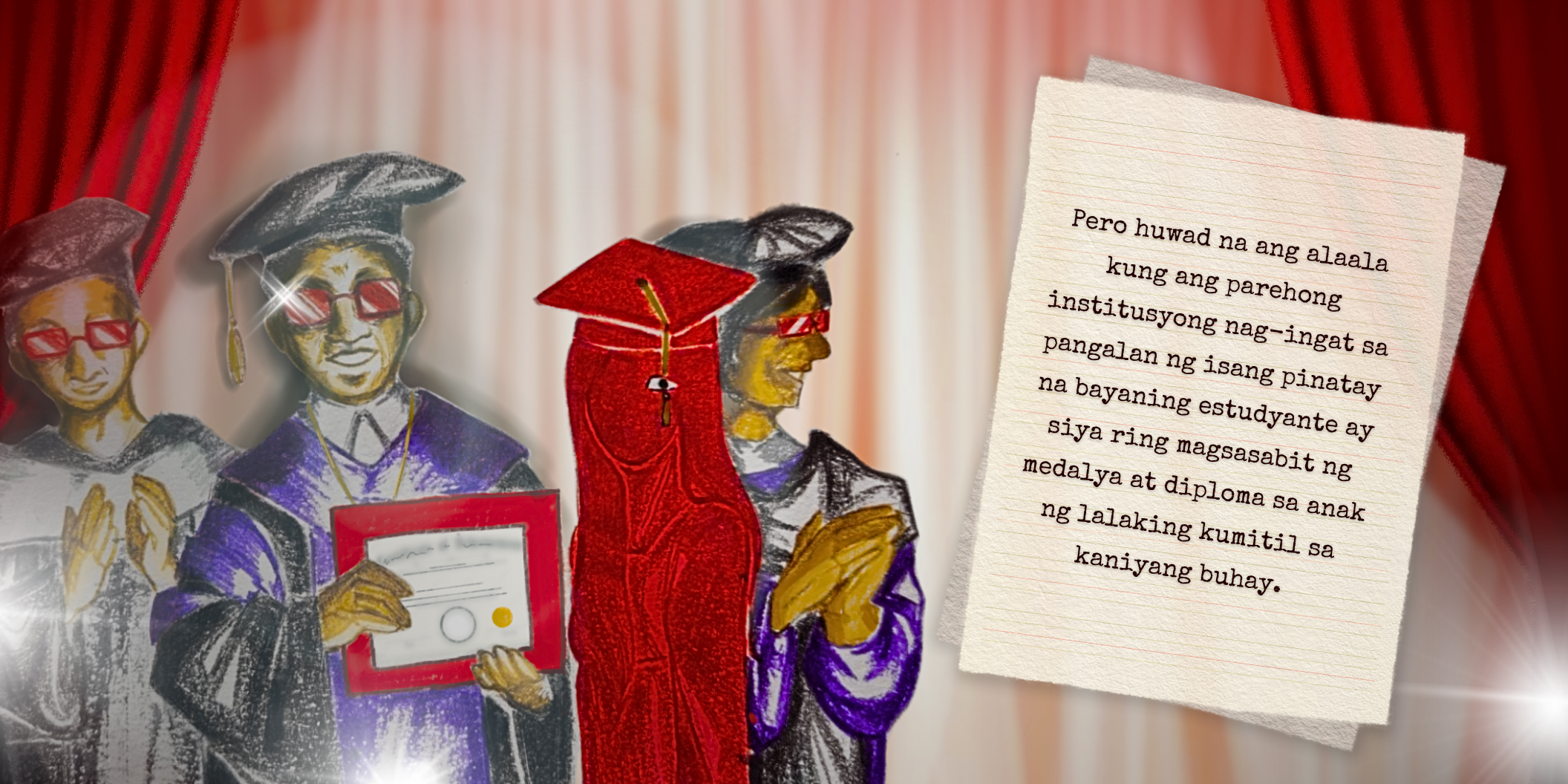
Many local governments, which should have been offering support in helping artists create more opportunities for themselves, remain absent. They flaunt their support for artists only at every festival or event, taking pride in their craft, but beyond that, these creators’ struggles continue to fall on deaf ears.
“We don’t recall receiving help from the local government. Most of the time, it’s our community, organizations, and friends who support us — they’re the ones who truly understand and appreciate what we do because they can relate to it,” says Tao Po, a Metro Manila-based music band that also performed on the protest concert.
Despite everything, Kapampangan artists continue to push through — creating not because the system rewards them for it, but because stopping feels like letting their culture and identity slip from their hands.
Their art is not born from comfort, but from sacrifice. For them, funding their passion is enough, even if that same passion is not enough to fund them a living.
It Takes a Community to Save a Culture
If “Atin Cu Pung Singsing” teaches us anything, it’s that what’s inherited can also be lost.
As audiences who marvel at the beauty of art, we must recognize that admiration alone is not enough. Let us practice going out and supporting artists in their gigs, buying their works, promoting their events, and consistently showing up.
Local governments must provide real, consistent support, and communities must recognize their artists’ craft and organize more creative workshops.
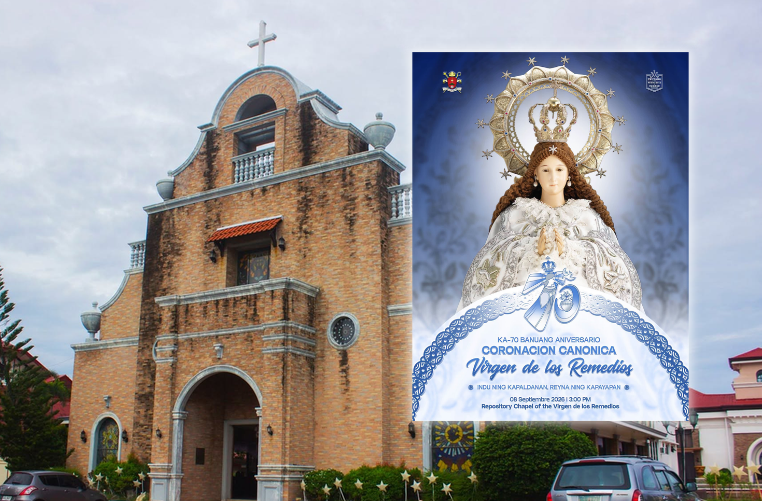
In supporting our artists, we also support our culture. As a singsing passed down by our ancestors, let’s value our culture and continue passing it down to the next generations to come.
Continue using our Amanung Sisuan in all avenues, and keep pushing for spaces against commodification and the erasure of Kapampangan culture.
It is time for cultural support to move beyond token festivals and online patronage. What artists need are systems that will protect, fund, and nurture them and their craft. That includes fair wages, fresh opportunities, and a government that will not place them on the lowest of their priorities.
In doing so, art and culture remain in safe hands, far from getting lost like a ring; far from a tongue forgetting its own name.