When playgrounds and classroom banter grew tiresome, 300-paged books were the next best source of entertainment for kids. Ranging from romantic stories that filled the pre-teen heart to dystopian science fiction universes, fictional literature was all children needed.
Now, entertainment is solely focused on short-form videos with instantaneous dopamine hits per swipe — leaving behind the fantastical novels with the dust on the shelves.
YouTube, TikTok, and Instagram are just some of the apps that provide and advertise 30-second videos to every user’s algorithm — including those of a younger audience. These videos trap viewers into a cycle of doomscrolling, engaging, exiting the app, opening another, and repeating. And, without any awareness, an entire afternoon has gone by.
With the continuous use of digital entertainment, reading as a form of pastime has become a rapidly dying art, leaving Generation Z and Generation Alpha with only their prescribed curriculum readings.
As the generation that grew up behind the screen due to the pandemic, Gen Z and Gen Alpha look towards their devices as a primary source of leisure rather than reading a book. A multitude of 2025 and 2026 census studies have shown that aside from preferring screen time, literacy rates of both generations are plummeting as a result of decreased attention spans.
Literacy is practiced and honed through active reading, writing, and speaking. Engaging with novels and understanding its nuances exercises comprehension and ability to apply simple grammar, vocabulary, tone conveyance, and more.
The Department of Education (DepEd) suggested strengthening the basic education curricula after nearly twenty million Filipino high school graduates were considered functionally illiterate in 2024 — yet, in reality, the fault is not only behind the education system.
Prescribed readings from the curriculum are not enough for students to be deemed literate. Texts suggested by a government agency are not enough to teach students about complex literary pieces.
Most importantly, curriculum-mandated stories are not enough to teach empathy.
Fictional stories, whether or not it is realistic, offer children the opportunity to practice perspective-taking. Reading forces the reader to unconsciously put themself in the shoes of the protagonist, understand the emotions, desires, and sacrifices the character makes.
Stories required by the curriculum often aim for much lower, simpler goals than perspective-taking and critical-thinking, such as understanding of figurative speech, author backgrounds, and even just basic components of a plot. Meanwhile, the choice of picking out a genre, a title, or an interesting cover yourself can teach more.
Unlike reels and a three-page short story in an English textbook, leisure reading permits the reader to grasp the plot’s importance, the author’s intent, and their own raw opinion, without the influence of another person. Moreover, it gives children the chance to introspect, regulate emotions, and identify with characters who embody their values — all with the help of literature.
Furthermore, fictional stories are often social commentaries, featuring hyperbolized characters and worlds as analogies to real-life societal issues. Books such as the Hunger Games series, Animal Farm, The Little Prince, even Marvel Comics, all allude to real political and socioeconomic challenges.
It is easy to fall prey to the slums of the internet and spend “just five more minutes” in front of the screen before bed, but it is difficult to navigate a world where empathy is a distant concept and literacy is no longer a must.
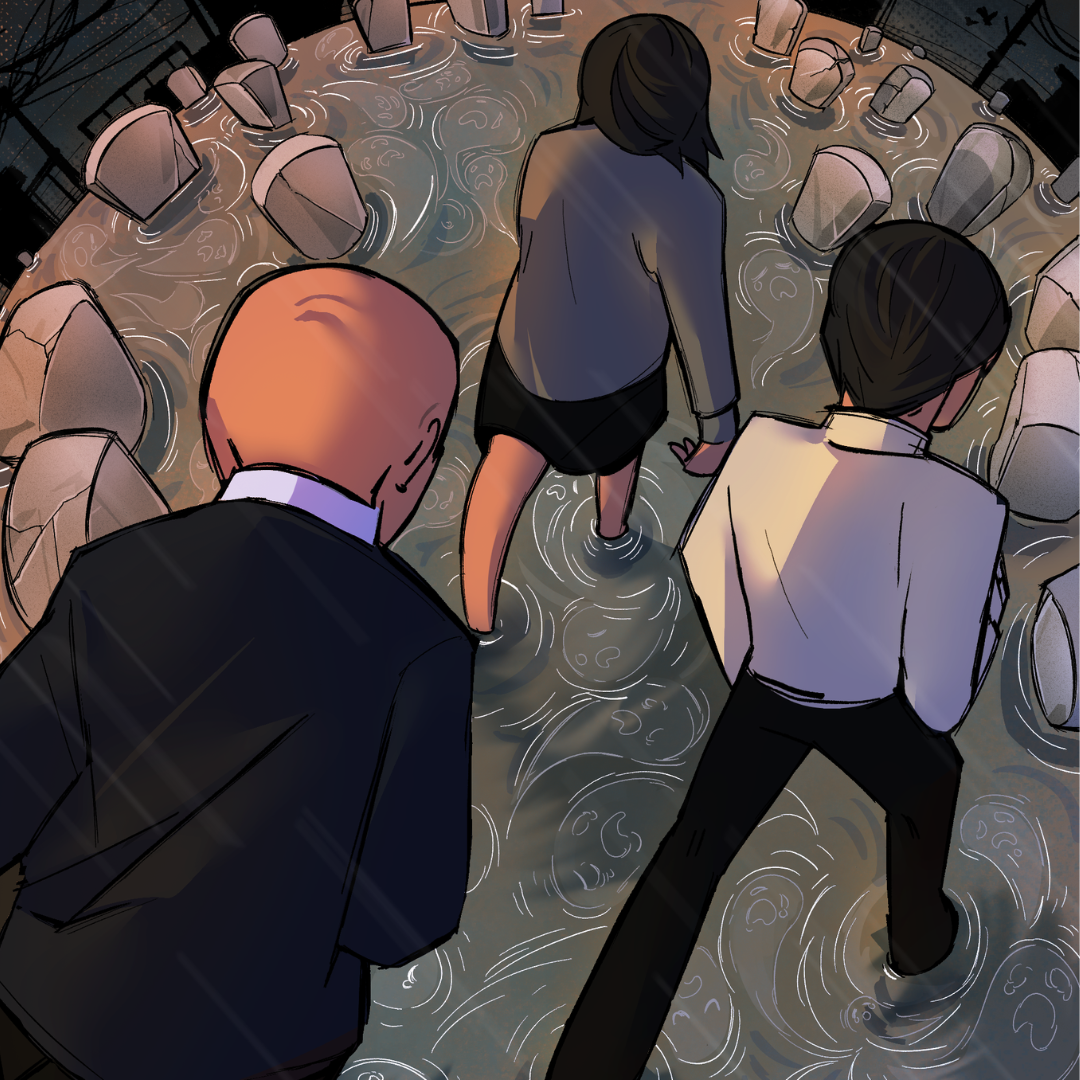
Dystopian novels have always painted a picture of a world overtaken by those in power and their blind followers. They envisioned a state of hatred, fear, lone survival, selfishness, and surveillance, and a hero that recognized evil and challenged it.
Yet, we fail to see that our reality is now a dystopia, driven by the same hatred, fear, lone survival, selfishness, and surveillance.
Parents wonder why their children seem disconnected, and shove a screen into their faces to not deal with them. College students complain about their grades endlessly, but never show a tinge of guilt for using AI. DepEd makes reforms after reforms to the curriculum, without questioning if the prescribed readings benefit those in office or those in the classroom.
Reading in general has an inherent impact on readers. Literacy and empathy are just two of a myriad of benefits, but are the core of everything else that could change the track our society is on.
Still, it raises the question:
In a digital world where we fend for ourselves, do we still have empathy for one another?
The views and opinion of the writer do not necessarily reflect those of the publication.